
Introduction
Google has agreed to settle a lawsuit by paying $93 million for deceptive location tracking practices. Despite users turning off their location history, the tech giant reportedly persisted in collecting and storing their location data.
In 2022, Google resolved a comparable lawsuit initiated by attorneys general from 40 states. The suit made identical claims regarding Google's deceptive practices concerning location privacy. The settlement amounted to nearly $392 million.
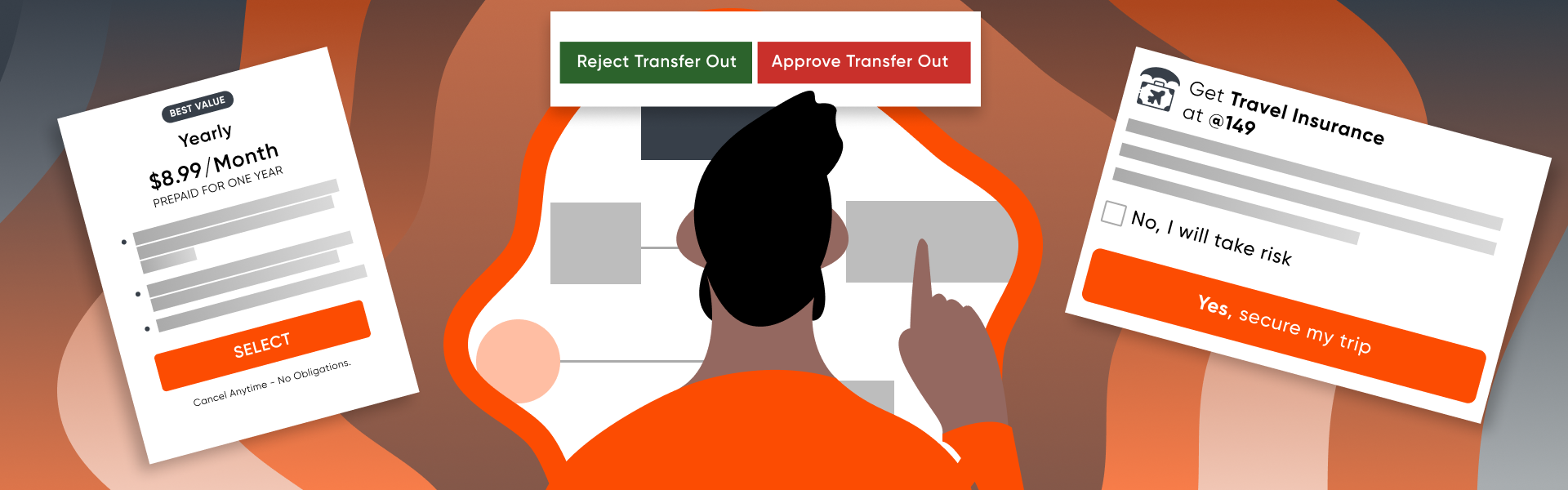
These are the examples of dark patterns or deceptive patterns.
What Are Dark Patterns?
According to the official website, Deceptive Patterns (also known as Dark Patterns) are tricks used in websites and apps that make you do things that you didn't mean to, like buying or signing up for something.
Dark patterns are design choices that intentionally deceive or manipulate users, leading them to make decisions they might not otherwise make. These patterns often exploit psychological principles to nudge users into taking actions. These actions benefit the business at the expense of the user's best interests.
What Are Some Of The Most Common Types of Dark Patterns?
- Confirmshaming: Using emotionally manipulative language like "Are you sure you want to abandon your masterpiece?" to guilt users into completing an action.
- Fake urgency and scarcity: Displaying fake countdown timers or limited-quantity claims to pressure users into buying before they "miss out."
- Sneaking items into carts: Pre-selecting add-on items or subscriptions during checkout without clear opt-out options.
- Disguised ads: Blending ads seamlessly into content, making it difficult for users to distinguish them from genuine information.
- Intentional misdirection: Using confusing button placements, unclear language, or hidden menus to make it difficult for users to find what they need.
- The roach motel pattern: Making it easy to sign up for a service but difficult to cancel, trapping users in unwanted subscriptions.
- Preselection: Setting default options that favor the company, like pre-checking a box for additional fees or newsletters.
- Price comparison prevention: Hiding or making it difficult to compare prices with competitors, limiting user choice.
- Trick wording: Using double negatives, confusing wording, or misleading language to manipulate users into giving unintended answers.
- Friend spam: Requesting access to user contact lists without clear consent to send marketing messages or invitations.
- Comparison prevention: The user struggles to compare products because features and prices are combined in a complex manner, or because essential information is hard to find.
- Fake social proof: The user is misled into believing a product is more popular or credible than it really is, because they were shown fake reviews, testimonials, or activity messages.
- Forced action: The user wants to do something, but they are required to do something else undesirable in return.
- Hard to cancel: The user finds it easy to sign up or subscribe, but when they want to cancel they find it very hard.
- Hidden Costs: The user is enticed with a low advertised price. After investing time and effort, they discover unexpected fees and charges when they reach the checkout.
- Hidden subscription: The user is unknowingly enrolled in a recurring subscription or payment plan without clear disclosure or their explicit consent.
- Nagging: The user tries to do something, but they are persistently interrupted by requests to do something else that may not be in their best interests.
- Obstruction: The user is faced with barriers or hurdles, making it hard for them to complete their task or access information.
- Sneaking: The user is drawn into a transaction on false pretences, because pertinent information is hidden or delayed from being presented to them.
- Visual interference: The user expects to see information presented in a clear and predictable way on the page, but it is hidden, obscured or disguised.
What Are The Consequences Of Dark Patterns?
Erosion Of Trust
One of the most significant consequences of employing dark patterns is the erosion of trust. Users who feel manipulated are likely to lose confidence in a brand, leading to negative word-of-mouth and a decline in customer loyalty.
Damage To Reputation
With the rise of social media, word about a bad user experience tends spread rapidly. As a result, brands using dark patterns risk damaging their reputation, leading to a potential loss of customers and a tarnished image.
Legal Troubles
As awareness about user privacy and ethical design practices increases, regulatory bodies are becoming more vigilant. Employing dark patterns may lead to legal consequences, with fines and penalties for businesses that violate user rights.
AT&T paid $105 million to settle charges that they were adding unauthorized fees for services onto customers' phone bills, without their knowledge or consent.
Ethical Design: Balancing Business Goals And User Experience
Prioritizing Transparency
Transparency is key to ethical design. Businesses should be upfront about the consequences of user actions, clearly presenting information about costs, commitments, and any potential drawbacks of their products or services.
Opt-In, Not Opt-Out
Give users the power to make informed choices by adopting an opt-in approach. Avoid tricking users into subscriptions or services; instead, let them choose to engage with your offerings willingly.
User-Centric Testing
Implement user-centric testing to understand how users interact with your design. Identify potential points of confusion or frustration and refine your design accordingly. Regular usability testing combined with UX audits can help businesses stay in tune with user expectations.
The Role Of UX Designers In Ethical Design
UX designers play a crucial role in shaping the user experience. It's their responsibility to advocate for ethical design principles and resist pressure to implement dark patterns for short-term gains.
Education is also a powerful tool in the fight against dark patterns. By educating UX designers about the ethical implications of their decisions, businesses can create a culture that values integrity and user well-being.
Dark patterns may offer short-term gains, but the long-term consequences can be severe. By prioritizing transparency, adopting user-centric testing, and empowering UX designers to advocate for ethical design, businesses can create digital products that not only meet business goals but also prioritize the well-being and trust of their users.
Learn how Axelerant’s team of designers practice ethical design principles and implement them in various projects.
Bring this dispatch into a working session - one page in, scoping memo out.
Brief Foyer