
Introduction
Private Equity timelines are not the same as agency timelines. Every milestone in a digital modernization arc maps to a value creation event. Here is what measurable progress looks like in the first hundred days, and what it unlocks in the months that follow.
The hundred-day plan is a well-understood concept in private equity. Identify the quick wins. Establish governance. Build trust with the management team. Demonstrate to LPs that the investment thesis is on track.
What is less well understood is how digital modernization fits into that hundred-day plan, specifically, what can realistically be achieved in the first hundred days, what it unlocks in months four through twelve, and how to structure the engagement so that every milestone maps to a commercial outcome rather than a technical deliverable.
This post outlines what a structured digital modernization arc looks like across a twelve-to-eighteen-month horizon, starting from day one and building through the hold period.
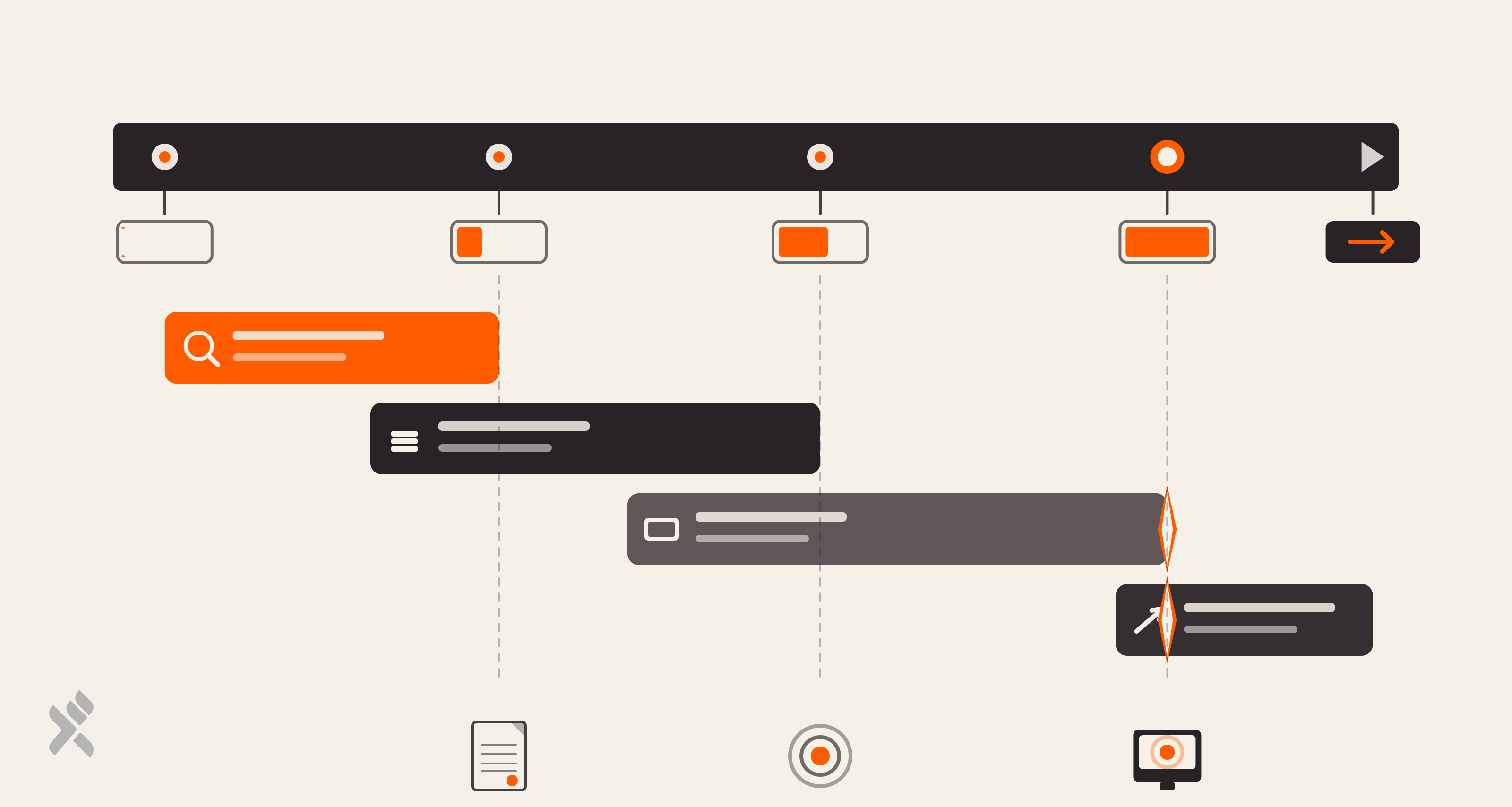
Days 1–30: Assessment And Architecture
The first month is diagnostic. Not because nothing gets built, but because building before the diagnosis is complete is the most expensive mistake in digital modernization, and it is the one that PE operating teams make most often when digital is treated as an execution problem rather than a strategy problem.
A Four-Layer Assessment conducted in the first thirty days produces three things: a current-state maturity scorecard, a quantified EBITDA gap model, and a platform recommendation that reflects the actual data and infrastructure landscape rather than a vendor's preferred stack.
Critically, the assessment is the board document. The output of days one through thirty is the artifact that the operating partner presents to the board to justify the digital investment program. It is a deliverable in its own right rather than a preliminary step before the real work begins.
Day 30 Deliverable
Board-ready Four-Layer Assessment report: maturity scorecard, EBITDA gap model, platform recommendation, and phased roadmap. The operating partner has a commercially framed case for digital investment. The management team has a prioritized implementation plan. The board has a value creation instrument, not a technology proposal.
Days 31–60: Foundation And First Revenue Signal
The second month is about establishing the technical foundation that every subsequent investment depends on, and generating the first measurable revenue signal that proves the investment thesis is working.
In our engagements, the foundation work we prioritise in this phase includes: CRM implementation or migration (moving from spreadsheets or a legacy system to a platform with clean data architecture), analytics instrumentation (ensuring the website and digital channels are generating the data the team needs for decision-making), and the first iteration of the data model that will eventually support the full CDP or warehouse architecture.
The first revenue signal is deliberately chosen to be visible and attributable. A conversion rate improvement on the primary digital channel. A first automated email journey that replaces a manual process. A subscription renewal campaign that runs without a team member having to manage it by hand. Something the operating partner can point to at the next board meeting and say: the digital investment is working.
The first revenue signal needs to be attributable rather than large. The board needs to see the mechanism, not just the number.
Days 61–100: Experience Layer And D2C Foundation
By the end of the first hundred days, the experience layer (the consumer-facing digital surfaces) should be in active development, with the first elements live. For a consumer brand, this typically means a rebuilt or replatformed D2C storefront with a clean CMS architecture, a mobile-optimized checkout flow, and the analytics instrumentation to measure it properly for the first time.
For a membership or certification organization, this phase delivers a self-service member portal with integrated payment processing and the first structured pathway for the subscription conversion that is the medium-term revenue thesis.
The hundred-day milestone is not "the digital rebuild is complete." It is "the foundation is live, the first revenue signal is measured, and the team has the data it needs to accelerate in phase two."
Months 4–12: Data Layer And Activation
The second phase of the modernization arc is where the commercial returns start to compound. The experience layer is live, collecting clean data. The CRM is operational. The first automation journeys are running. Now the team can build on a foundation that actually works.
Data layer work in this phase involves the customer data platform or warehouse deployment, creating the unified customer identity that makes personalization possible and LTV modeling accurate. For a business with multiple digital channels that previously operated in silos, this is the phase where a single customer record emerges for the first time.
Activation work involves deploying the full set of automated revenue journeys: onboarding sequences for new customers, renewal reminder mechanics for subscription products, win-back campaigns for lapsed customers, and upsell triggers based on behavioral signals from the data layer. Each of these represents a revenue source that previously required manual intervention and now runs systematically.
Example: From Transactional To Recurring Revenue
A certification business with a strong community but a transactional fee model enters this phase with the data architecture to identify which customers renew annually and which ones lapse. The Activation layer, which works in months four through twelve, converts the highest-value cohort from transactional to subscription, with automated renewal mechanics, tiered membership value propositions, and a CRM journey that maintains engagement between purchases.
The revenue impact is not speculative. In comparable engagements, subscription conversion across the top-quartile cohort has ranged from 25–40% within twelve months, with annualized recurring revenue contribution fully attributable to the activation layer and presentable to the board as direct evidence the investment thesis is working.
Months 13–24: Optimization And AI Agent Readiness
The third phase of the arc is where the accumulated data and activation investment start generating intelligence, and where the business begins to operate differently as a result of having built the right foundation.
Optimization layer work involves the BI infrastructure that allows the operating team to manage with data rather than instinct: self-service dashboards for the portfolio company management team, predictive churn models that surface at-risk customers before they lapse, LTV models that allow the marketing team to allocate acquisition spend by expected return rather than by channel convention, and the performance reporting infrastructure that makes LP reporting a one-click exercise rather than a two-week data project.
AI agent deployment in this phase (for marketing execution, revenue operations automation, and customer service triage) becomes viable because the foundation is in place. Agents operating on a unified customer data platform and connected CRM return reliable, compounding results. Agents operating on fragmented data return fragmented results.
The Hold Period Arc
By months eighteen to twenty-four, the digital operating model is fully modernized: a consumer-facing experience that converts, a unified data layer that enables personalization, an activation layer that generates recurring revenue without manual intervention, and an optimization layer that improves every quarter. The EBITDA impact is documented. The digital story for exit is coherent. The infrastructure that the acquirer is buying actually works.
What Milestone-Based Delivery Looks Like In Practice
We structure every engagement around commercial milestones rather than technical deliverables — because PE operating partners report to boards quarterly, not at project completion. The arc described above reflects that rhythm. Every phase produces something the operating partner can report to the board. Every phase delivers a measurable revenue signal before the next phase begins. No phase is contingent on a preceding phase being "finished" in the traditional sense; each delivers value independently while building toward the cumulative outcome.
This is the structural difference between a digital modernization engagement designed for PE timelines and one designed for a conventional agency engagement. PE timelines have a quarterly rhythm, LP reporting obligations, and a hold period with a defined end. The modernization arc has to respect that rhythm, not run alongside it.
The result is a digital program that delivers visible value at every board meeting, compounds across the hold period, and produces a coherent, evidence-based digital story at the point of exit.
Frequently Asked Questions
What is realistic to achieve in the first 100 days of a PE digital modernization?
A structured engagement delivers three things in the first 100 days: a board-ready assessment with an EBITDA gap model (day 30), a live technical foundation with a first attributable revenue signal (day 60), and an active experience layer with clean analytics instrumentation (day 100). These are commercial milestones, not project phases.
When does AI deployment become viable in a PE portfolio company?
AI agent deployment becomes reliable in months 13 to 24, once a unified customer data platform and connected CRM are operational. Agents running on fragmented legacy data return fragmented results; the first twelve months of the arc build the foundation that makes AI investment compounding rather than speculative.
How does this differ from a conventional agency digital engagement?
Conventional agency engagements are scoped to deliverables and billed to completion. PE-structured engagements are scoped to commercial milestones with measurable revenue signals at each phase, a quarterly rhythm aligned to LP reporting, and a defined exit story as the terminal objective.
What does board-ready mean for a digital deliverable?
A board-ready deliverable frames every technical finding in commercial terms: EBITDA impact, revenue attribution, and hold-period trajectory. The Four-Layer Assessment at day 30 is designed to be the artifact the operating partner presents to justify the digital investment program, not a preliminary technical document.
Build A Hundred-Day Plan That Includes Digital
We design every digital modernization engagement around PE timelines, with board-ready deliverables at every milestone and measurable revenue signals from day sixty.
See how the arc works for your portfolio →
Bring this dispatch into a working session - one page in, scoping memo out.
Brief Foyer