
Introduction
Most digital audits tell you what technology a business uses. The Four-Layer Assessment tells you what the technology gap is costing, and what the prioritized path to closing it looks like. Here is how the framework works, and why sequencing matters.
There is no shortage of technology audits available to Private Equity operating teams. The challenge is that most of them answer the wrong question. A technology audit tells you what systems a business runs. It maps the tech stack, identifies version risks, flags integration gaps, and produces a recommendations list that looks authoritative until someone tries to act on it.
The question a PE operating team actually needs answered is different: what is the digital infrastructure gap costing us in unrealized revenue, and what should we build first?
That is a commercial question, not a technical one. And it requires a framework that starts with business outcomes, not systems inventories.
The Four-Layer Model
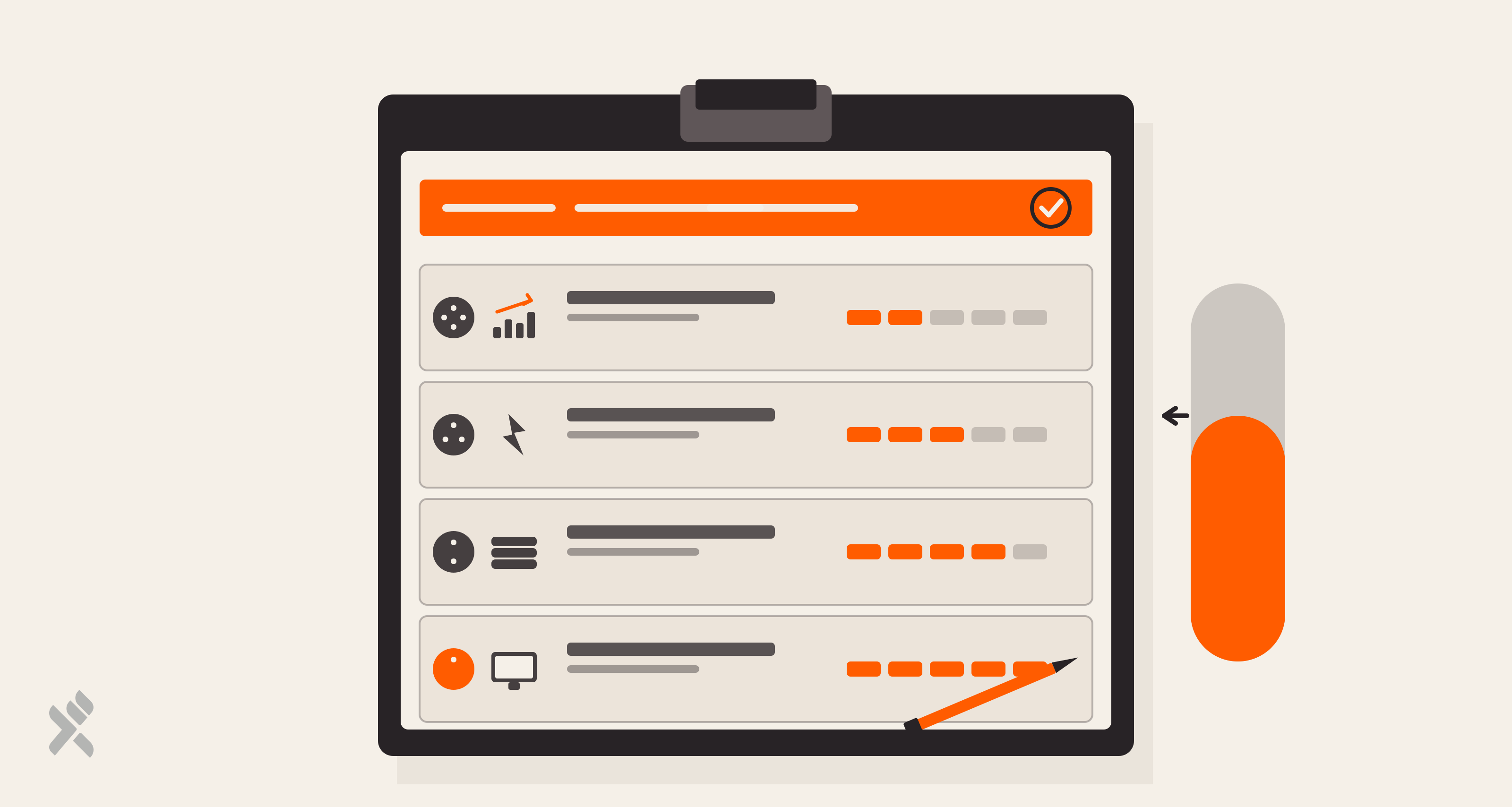
The Four-Layer Digital Maturity Assessment evaluates a portfolio company's digital infrastructure across four sequential, interdependent layers. The sequencing is intentional; each layer depends on the one before it. You cannot activate revenue without a data layer. You cannot optimize what you cannot measure. And you cannot build a data layer on an experience architecture that does not generate clean data to begin with.
Layer 01: Experience
Consumer-facing digital surfaces, the website, the app, the event portal, the D2C storefront. Where the brand, product, and customer interaction meet. The Experience layer determines what data can be collected, what conversion is possible, and what the customer's first impression of the business is post-acquisition.
Layer 02: Data
The customer data architecture, how interactions are collected, unified, and made queryable. CDP selection, data warehouse strategy, identity resolution, and first-party data governance. The Data layer is the foundation on which every activation decision is made. Without it, activation is guesswork.
Layer 03: Activation
Revenue operations in motion, CRM configuration, marketing automation, subscription management, loyalty mechanics, and commerce workflows. The Activation layer is where the data layer starts generating commercial returns: automated journeys, retention mechanics, and revenue infrastructure that runs without manual intervention.
Layer 04: Optimization
Analytics, BI, predictive modeling, and AI agent orchestration. The Optimization layer turns accumulated data and activation history into forward-looking intelligence, churn prediction, LTV modeling, next-best-action recommendations, and the autonomous workflows that allow the business to improve continuously without proportional headcount growth.
What The Assessment Actually Produces
A Four-Layer assessment is a structured diagnostic engagement, typically four to six weeks, conducted by a team with experience across all four layers. It is not a remote survey or a document review. It involves working sessions with the portfolio company's commercial, marketing, technology, and operations teams, mapping the current state against a maturity model calibrated for the business's stage and sector.
The output is a board-ready deliverable with three components:
- The Maturity Scorecard: a layer-by-layer assessment of current maturity (1–5 scale), benchmarked against comparable businesses at the same revenue stage
- The EBITDA Gap Model: a quantified estimate of the revenue impact of each identified gap, expressed in terms of the value creation plan can use directly
- The Phased Roadmap: a sequenced, milestone-based implementation plan that maps digital investments to hold period milestones, with 100-day quick wins identified and scoped
The assessment is not a proposal. It is the document the operating partner uses to make the case for digital investment, to the portfolio company management team, to the board, and to LPs.
Why Sequencing Matters More Than The Technology Choice
The single most common mistake in PE portfolio digital modernization is selecting a technology platform before the assessment is complete. A CRM is selected in month two. The website is rebuilt in month four. An analytics platform is implemented in month seven. And by the time all three are in place, the team discovers that the CRM and the website are not talking to each other, the analytics are tracking the wrong events, and the data model that was built for the CRM is incompatible with the warehouse architecture that the analytics platform requires.
The Four-Layer model prevents this. By assessing all four layers before any implementation begins, the platform recommendations emerge from a unified architecture decision, not from three separate vendor conversations happening in isolation.
The Four-Layer Assessment is platform-agnostic by design and does not start from a platform preference. The right stack for a global sports operator with 40 markets and one million members is different from the right stack for a family-owned service business with £12M in revenue and 500 customers. The assessment determines the architecture. The architecture determines the platform. Not the other way around.
The Five Use Cases The Framework Addresses
Across the lower-middle-market PE portfolio company landscape, the Four-Layer Assessment consistently surfaces five recurring use cases, each representing a different point of value-creation failure and addressable through a different combination of layer interventions.
Use Case 1: D2C Channel Activation
A consumer brand with strong retail and wholesale revenue, no direct-to-consumer channel, and a customer base that would buy direct if the infrastructure existed. The Experience layer assessment identifies the gap in the commerce architecture. The Data layer assessment identifies whether the CRM is ready to support a direct relationship at scale. The Activation assessment determines what subscription or loyalty mechanics are viable. The result is a D2C launch roadmap with a revenue model and a milestone-based delivery plan.
Use Case 2: Subscription And Recurring Revenue Infrastructure
A membership or certification organization with strong engagement metrics and a transactional revenue model that should be recurring. The Activation layer assessment identifies the gap between what the business charges per transaction and what it could charge per year through a structured subscription. The Data layer assessment identifies what customer intelligence exists to personalize the subscription offer. The platform recommendation comes from the architecture, not from a vendor preference, whether that is a dedicated subscription management system, a commerce platform with subscription capability, or a CRM-native subscription workflow.
Use Case 3: First-Party Data Architecture For A Fragmented Customer Base
A multi-market operator where the same customer is recorded in three different systems across their interactions with the business. The Data layer assessment designs the unification architecture, the CDP or warehouse approach that creates a single customer identity across all touchpoints. This is not a one-size-fits-all recommendation: for a business with £20M in revenue and clean existing data, a warehouse-native approach may be cheaper and faster than a dedicated CDP. The assessment makes that call based on the actual data landscape, not on a vendor's preferred recommendation.
Use Case 4: BI Infrastructure For PE Reporting
A portfolio company that cannot produce a clean monthly performance report without a two-week data-gathering project. The Optimization layer assessment designs the BI architecture, the data warehouse, the reporting layer, and the dashboard structure that gives the operating partner self-service access to the performance data they need for board reporting, LP updates, and value creation plan tracking. This is not an analytics project. It is a governance project with a technology component.
Use Case 5: AI Agent Readiness
The Optimization layer of the Four-Layer Assessment increasingly surfaces an AI readiness question: can this business deploy AI agent workflows on its current data infrastructure? The answer is almost always no, because AI agents operating on fragmented, unvalidated data return fragmented, unreliable results. The Four-Layer modernization is the prerequisite for AI agent deployment that actually compounds value. The assessment identifies where the business is on that readiness curve and what investment is required to cross it.
What Makes This Different From A Standard IT Audit
A standard IT audit answers: what technology does the business run, and what are the risks? The Four-Layer Assessment answers: what is the digital infrastructure gap costing in unrealized commercial value, and what is the prioritized, sequenced path to closing it?
The output of a standard IT audit is a risk register. The output of a Four-Layer Assessment is a value creation instrument, a document that goes directly into the board's strategic planning, not into a technical backlog that nobody acts on.
The distinction matters. Operating teams do not need more documentation of what is broken. They need a commercially framed, sequenced, board-ready plan for what to build, and in what order.
See The Four-Layer Assessment In PracticeA fixed-scope engagement that maps your portfolio company's digital maturity across all four layers, quantifies the EBITDA impact, and delivers a phased roadmap aligned to your hold period.Request a 30-Minute Assessment Consultation →
Read next
The assessment is the first move. Two follow-on questions decide whether the finding turns into value: what the first hundred days deliver, and who executes them.
- What a 100-day digital modernization plan actually delivers
- How to choose a digital modernization partner for a portfolio company
- Our digital maturity assessment practice
Bring this dispatch into a working session - one page in, scoping memo out.
Brief Foyer