Introduction
At a certain point in an organization's growth, the digital estate starts to work against them.
What began as one website becomes five. Five becomes ten. A brand launches verticals, a university adds campuses, a company expands into new regions. Each site gets its own platform, its own update cycle, its own quirks. Nobody planned for it to get this complicated; it just did, one site at a time.
By the time the problem is visible, it's already a sprawl. And sprawl, in digital infrastructure, is expensive to manage, difficult to govern, and dangerously slow to change. This is the problem that Acquia MEO (Multi-Experience Operations) is designed to solve.
What Is Acquia MEO?
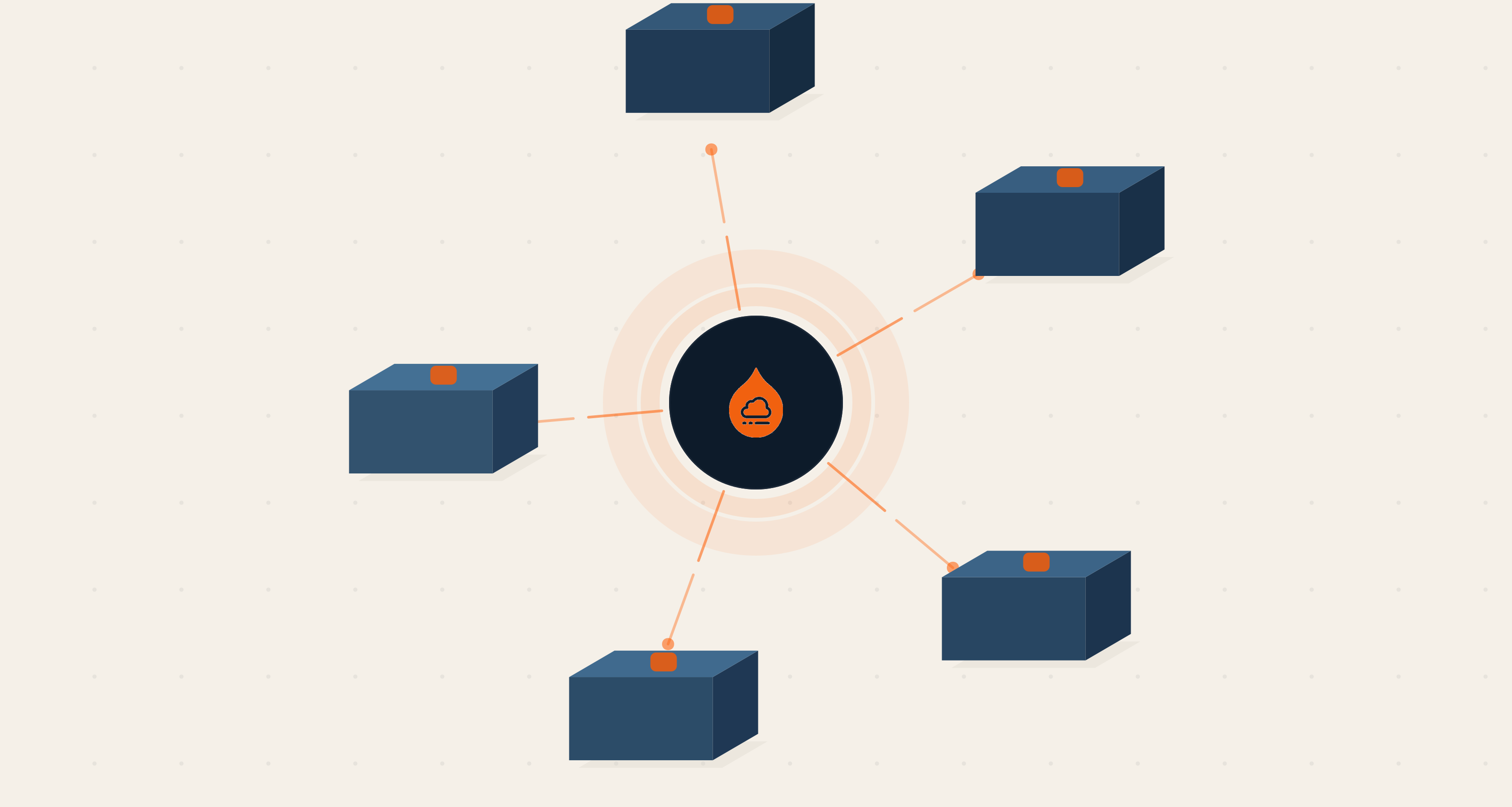
Acquia MEO is an add-on solution built on Acquia Cloud Platform that enables organizations to run multiple Drupal-based websites from a single, shared codebase. It gives central teams the ability to manage code deployments, enforce governance standards, and push updates across all sites from one place, while each individual site retains its own identity, content, and operational independence through site isolation.
MEO is available in four subscription tiers, Standard, Plus, Premium, and Elite, with add-ons available for organizations that need to expand their site count, storage, or traffic capacity as they grow.
It's important to note that MEO is purpose-built for Drupal. Organizations already on Acquia Cloud Platform, or those planning to adopt Drupal as their CMS, are the natural fit for this solution.
Where It Fits: Real-World Scenarios
The following scenarios illustrate where Acquia MEO creates the most meaningful impact, not in theory, but in the day-to-day reality of teams trying to move fast without breaking things.
Scenario 1: A Growing Brand Managing Multiple Sites With No Shared Foundation
Consider a food and beverage brand operating across multiple verticals, a flagship consumer brand, a catering-focused sub-brand, a corporate site, and a seasonal campaign microsite. Each was built at a different point in time, by different teams, on different platforms. The result is a fragmented digital presence with no consistency in design, no centralized way to push updates, and no shared codebase to build on.
Every time there's a brand refresh or a promotion to roll out, it becomes a multi-site project with duplicated effort across teams. The developer responsible for maintaining all four properties spends the majority of their time on routine upkeep, with little room for anything more strategic.
Acquia MEO could resolve this by consolidating all sites onto a single shared Drupal codebase hosted on Acquia Cloud Platform. Brand standards, the global design system, and governance rules would be set at the platform level, consistent across every site. Individual teams for each vertical would retain editorial control within their own site instances, publishing content within defined guardrails, without any risk of straying off-brand.
A single deployment now reaches all properties simultaneously. A design update rolls out once, not four times. And the developer who was previously split across four separate maintenance cycles can finally redirect their time towards improving the actual experience, rather than just keeping the lights on.
Scenario 2: A University Managing A Fragmented Multi-Campus Web Presence
Higher education is particularly susceptible to digital sprawl. Imagine a university system where multiple campuses, faculties, and departments have independently built and maintained their own web presence over the years. The result: a collection of sites with inconsistent design, varying accessibility standards, and unpredictable performance, all sitting under the same institutional banner.
Central IT doesn't have the bandwidth to manage each site individually. But fully centralizing everything would strip departments of the editorial independence they rely on to communicate their own identity and programs.
Acquia MEO offers a practical middle ground. A shared codebase establishes institution-wide design standards, accessibility compliance, and performance baselines, non-negotiable across every site instance. Individual colleges and departments are given editorial access to their own instances, empowered to publish content within defined templates without the ability to deviate from the institutional framework.
The site isolation capability ensures that each department's site runs independently, meaning an issue on one property doesn't affect the rest of the portfolio. And when high-traffic periods arrive, application deadlines, major announcements, open days, the underlying Acquia Cloud Platform infrastructure handles the load, without requiring manual intervention from the IT team.
The Bigger Picture
Multi-site complexity rarely gets treated as a strategic priority until the cost of ignoring it becomes impossible to overlook, in developer time lost to repetitive deployments, in brand inconsistencies that quietly erode trust, or in infrastructure that struggles under unplanned traffic.
Acquia MEO addresses all of this from a single shared foundation: centralized governance, consistent code management, rapid provisioning of new site instances, and enhanced security, without forcing individual teams to give up their operational independence.
For organizations that have outgrown the one-site-at-a-time approach to managing their Drupal digital portfolio, MEO represents a meaningful step forward in how web operations can, and should, be run.
Managing more digital properties than your current setup was built to handle? Let's talk about what a consolidated approach could look like.
Bring this dispatch into a working session - one page in, scoping memo out.
Brief Foyer